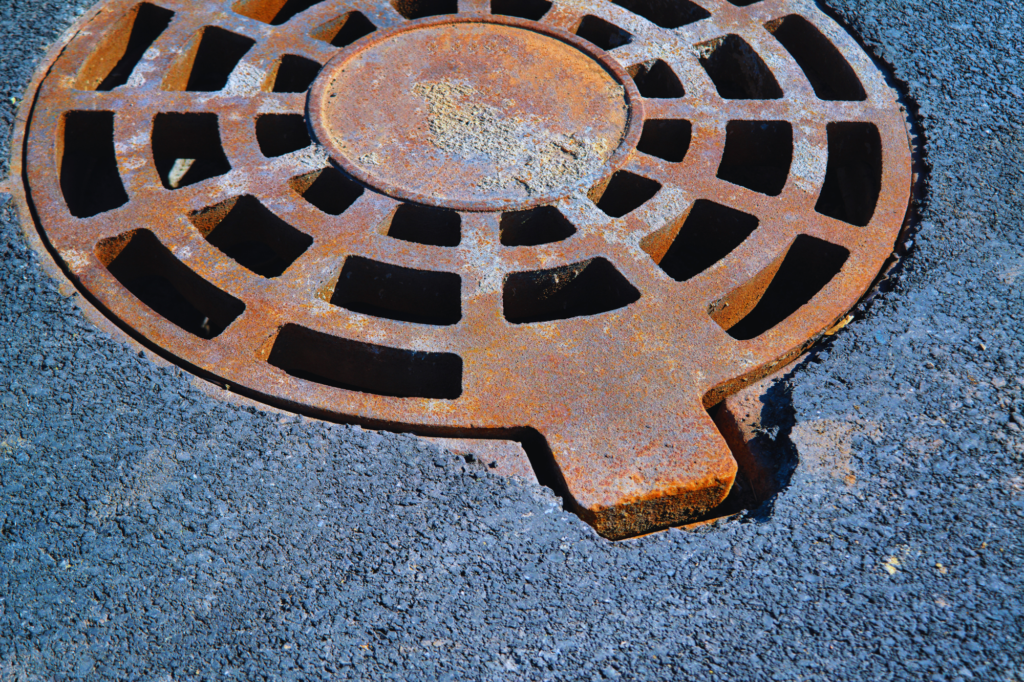
India’s rapid urbanization and infrastructure expansion are transforming the construction industry. With smart cities and industrial development projects rising, the demand for advanced drainage solutions is increasing.
Shift Toward Polymer-Based Covers
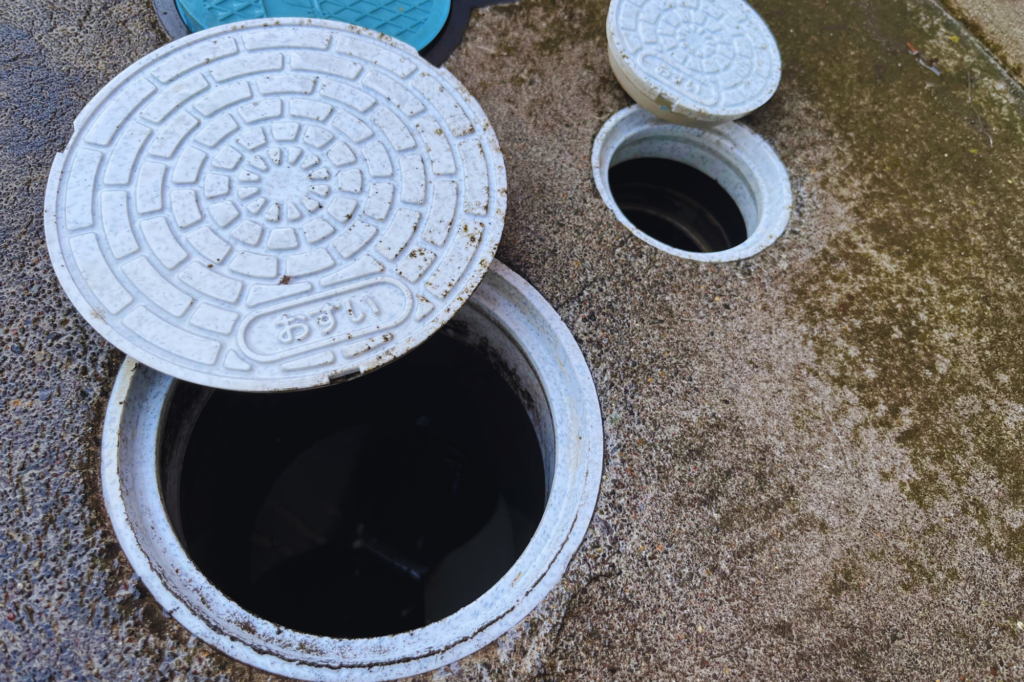
Traditional metal covers are gradually being replaced by HDPE and FRP due to their lightweight and corrosion-resistant properties.
Anti-Theft Designs
Modern covers are designed without scrap value, reducing theft risks in urban areas.
Smart Manhole Covers
Innovations include sensor-based covers that monitor drainage levels and detect blockages.
Sustainable Manufacturing
Eco-friendly materials and recyclable polymers are gaining popularity in the industry.
Increased Infrastructure Spending
Government projects and private real estate development are driving demand for durable drainage solutions.
Customization and Branding
Manufacturers now offer customized sizes, embossed logos, and project-specific load ratings.
Conclusion
The future of manhole cover manufacturing lies in innovation, sustainability, and advanced materials. Companies adopting modern technology and strict quality standards will lead the infrastructure sector in the coming years.
In modern infrastructure development, the demand for durable, lightweight, and cost-effective materials is increasing rapidly. For decades, cast iron manhole covers dominated the market. However, HDPE (High-Density Polyethylene) and FRP (Fiber Reinforced Plastic) manhole covers are now becoming the preferred choice for contractors, builders, and municipal authorities.
The Limitations of Cast Iron Covers
Cast iron covers are known for their strength and load-bearing capacity. However, they also come with certain disadvantages:
Heavy weight, making installation difficult
Prone to rust and corrosion
High theft risk due to scrap value
Expensive transportation and handling
These limitations have encouraged industries to explore better alternatives.
Advantages of HDPE Manhole Covers
HDPE manhole covers are manufactured using high-density polyethylene, a strong thermoplastic polymer. They are ideal for both residential and industrial applications.
Key Benefits:
HDPE covers are especially useful in areas where moisture exposure is high, such as drainage systems and sewer lines.
Advantages of FRP Manhole Covers
FRP manhole covers are reinforced with fiber material, giving them exceptional strength while maintaining low weight.
Major Benefits:
FRP covers are widely used in highways, industrial zones, and municipal infrastructure projects.
Cost-Effectiveness and Long-Term Value
While the initial price of cast iron may appear competitive, HDPE and FRP covers provide better long-term savings due to:
Conclusion
The shift from cast iron to HDPE and FRP manhole covers reflects the evolution of infrastructure materials. Modern construction demands lightweight, corrosion-resistant, and durable solutions. Manufacturers focusing on advanced polymer technologies are shaping the future of drainage safety and urban development.